Surface
Number and type of applications, APIs, domains, addresses or networks.
Understand what drives the price of a penetration test: assets, user roles, complexity, depth, timeline, reporting and retesting.

Authenticated flows, user roles, APIs, architecture, restrictions and depth all have a direct effect on execution and on reviewing the evidence.
Type and number of assets
Roles and authenticated areas
Complexity of business rules
Timeline, deliverables and retesting
A responsible estimate requires a minimum of information about the environment.
Number and type of applications, APIs, domains, addresses or networks.
Critical flows, integrations, authenticated areas and specific scenarios.
Windows, restrictions, access, environments and how closely the work is tracked.
Reports, presentation, additional evidence and how many retest cycles are included.
From technical alignment to delivery, the work has to leave context, evidence and next steps visible to everyone involved.
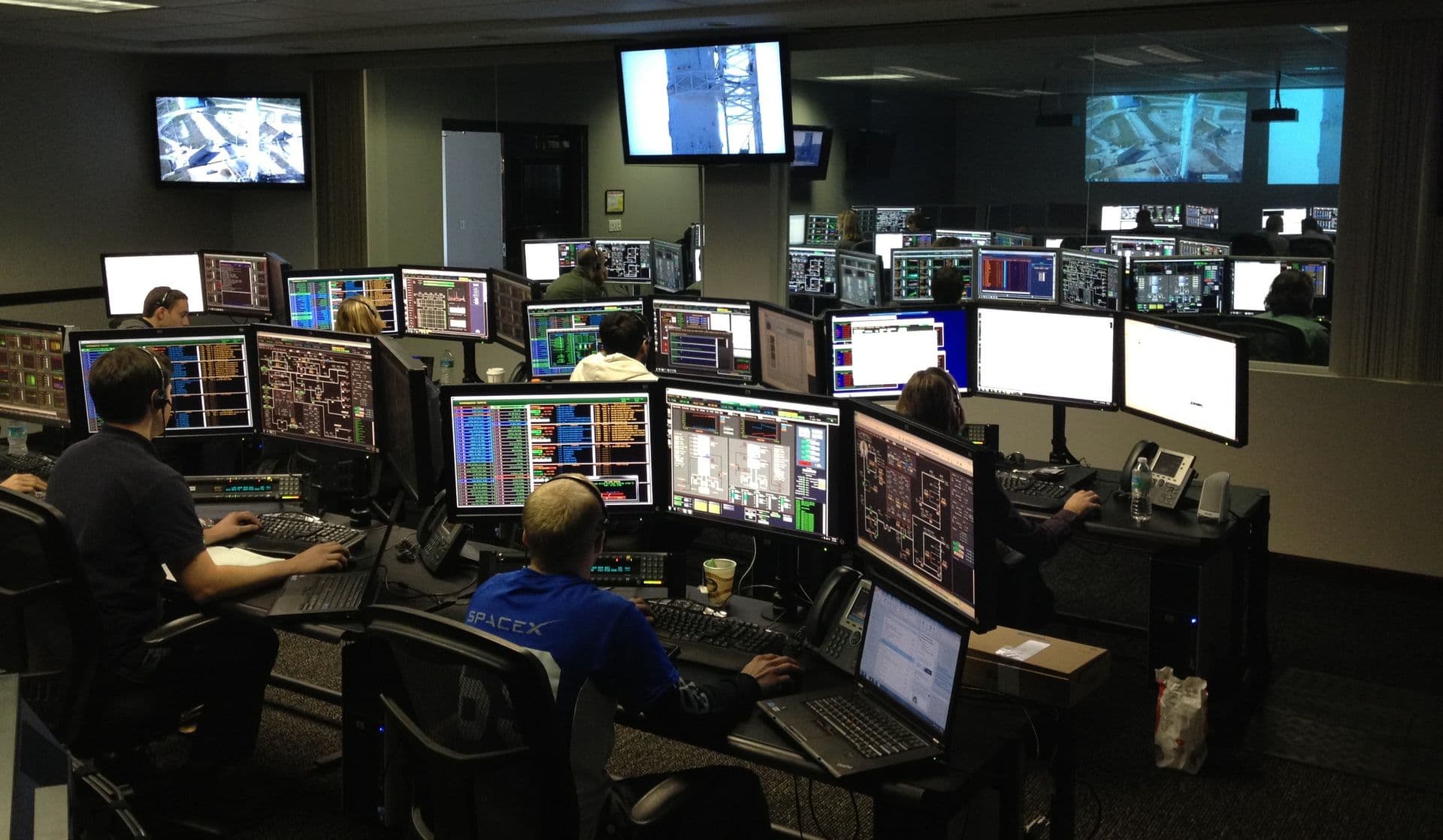
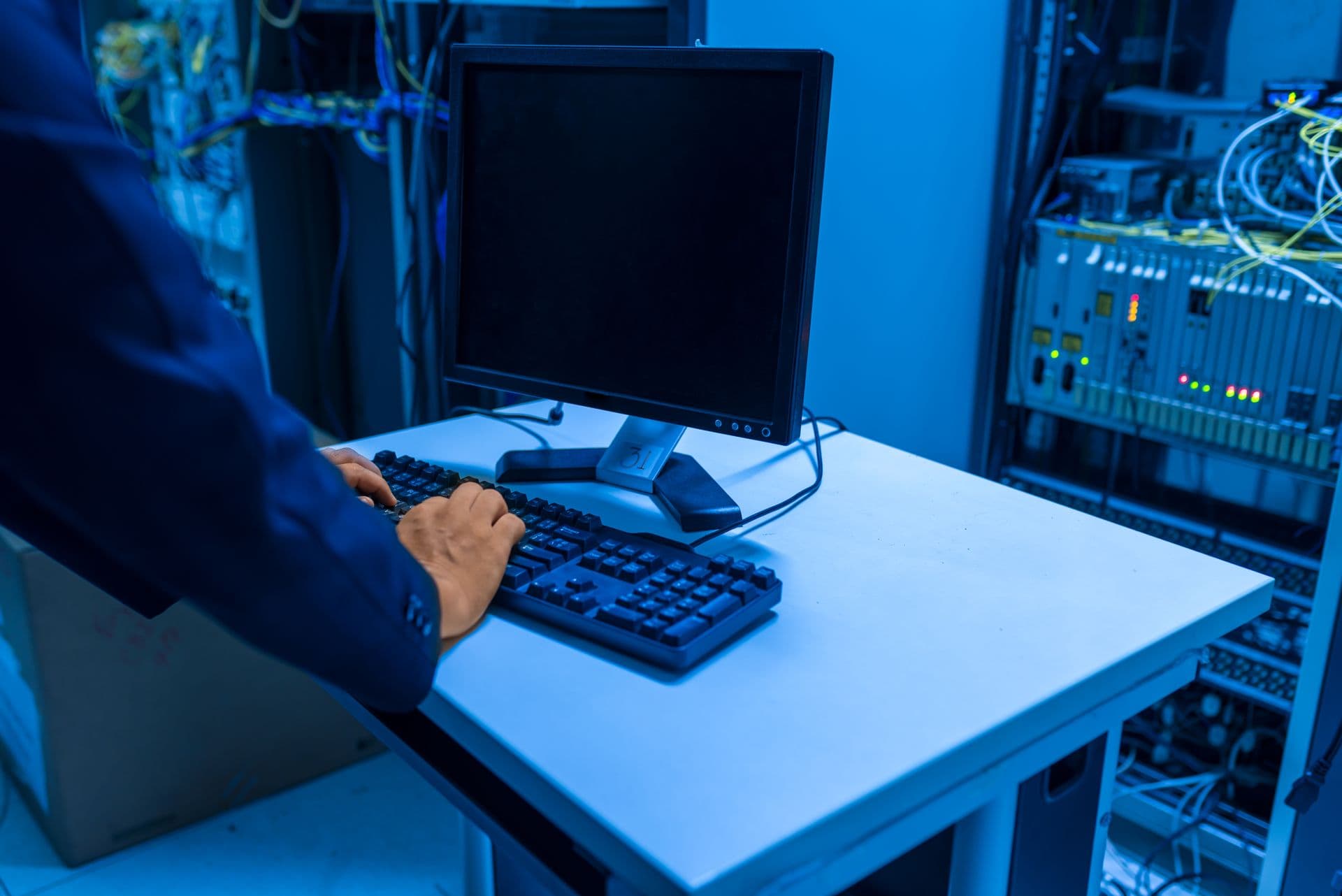
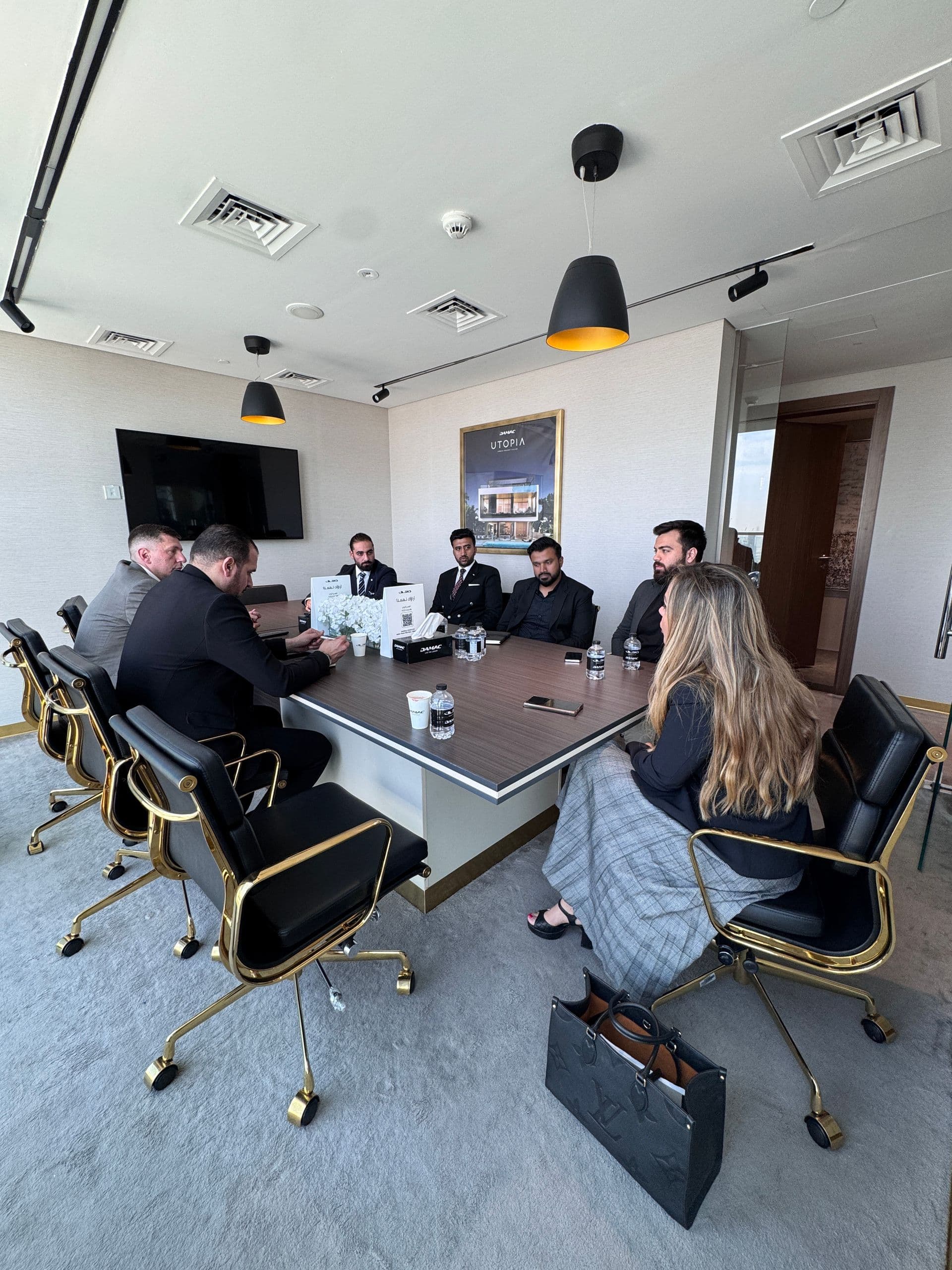

The commercial assessment sets out to close gaps before estimating timeline and investment.
You tell us the assets, objective, roles, technology and timeline.
Vorvex identifies dependencies, open questions and relevant restrictions.
The document lays out coverage, exclusions, timeline, deliverables and investment.
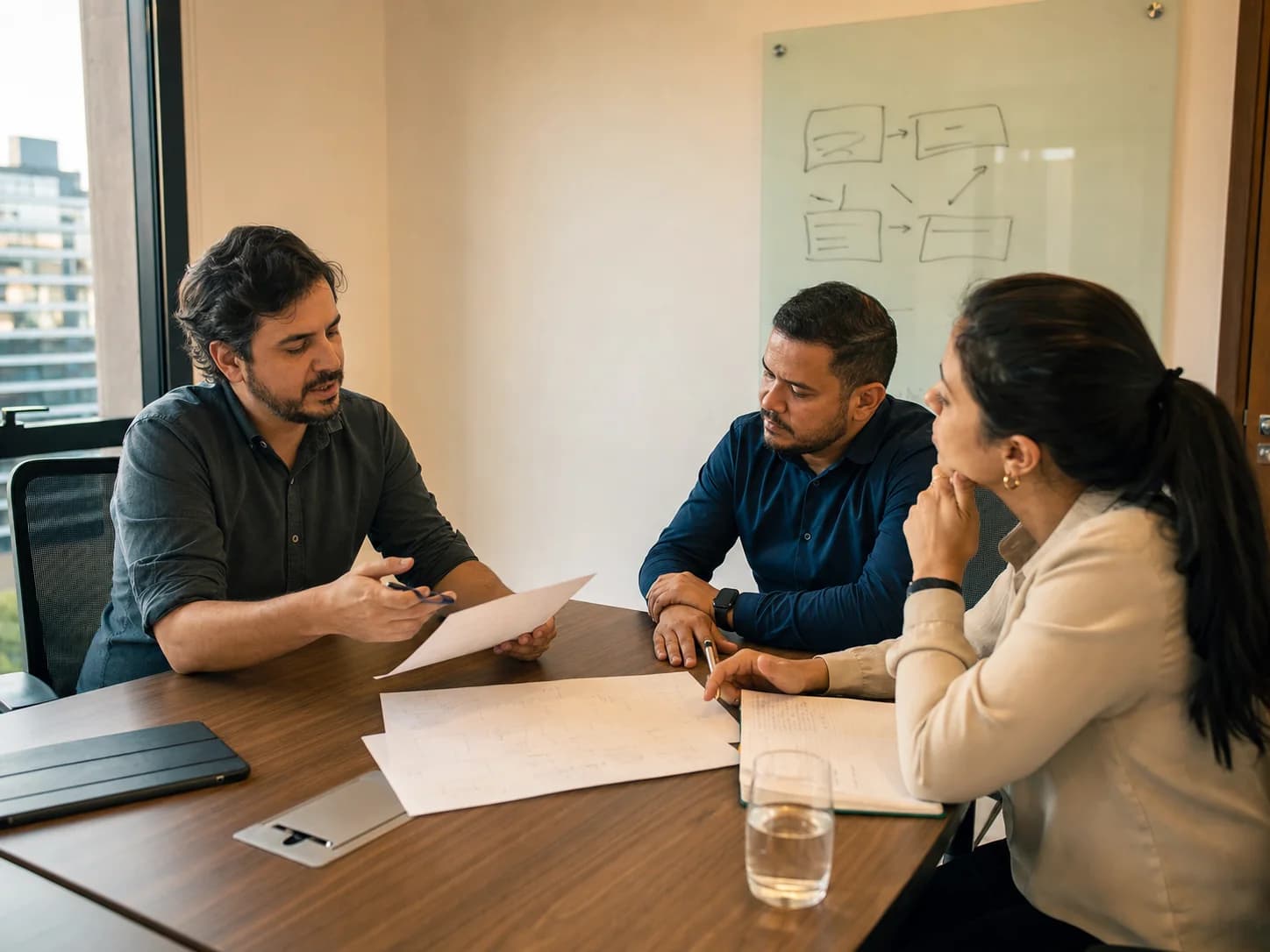
Two proposals at different prices can represent completely different levels of coverage.
Confirm that authenticated areas, APIs and relevant roles appear explicitly.
Understand whether it is automation only, or specialist analysis and validation.
Compare the report, presentation, evidence and the terms for validating fixes.
If your question isn't here, talk to the team directly.
Ask on WhatsAppThere is no single responsible price for every environment. The investment varies with surface, complexity, depth, restrictions and deliverables.
Yes. We can prioritize the highest-risk assets or flows, as long as the limitations are stated clearly in the proposal and in the report.
The proposal states whether retesting is included, how many cycles, the window to request it and the conditions for running it.
The form collects what we need to put together a straightforward proposal.
Ready to assess your company's risk?