Electronic health records
Access control between roles, separation of clinical data and protection of care records.
Penetration testing for hospitals, clinics and healthtechs, covering electronic health records, HL7/FHIR integrations, legacy systems and patient portals, with care specific to clinical environments.

On top of handling health data — a special category of sensitive personal data under most data protection laws, a topic we cover in our dedicated data protection content — hospitals and healthtechs usually run electronic health records, diagnostic imaging systems and integrations over standards like HL7 and FHIR, often alongside equipment and legacy systems that are hard to update without affecting care. The focus here is exactly that clinical environment, not the legal compliance analysis.
Electronic health records and clinical systems
HL7/FHIR integrations with labs and insurers
Legacy systems tied to medical equipment
Patient portals and telemedicine apps
Depth accounts for clinical criticality, equipment dependencies and the operational restrictions of the environment.
Access control between roles, separation of clinical data and protection of care records.
Authentication, authorization and data exposure in integrations between hospital systems, labs and health insurers.
Careful assessment of older systems tied to diagnostic or life-support equipment, with validation that puts operational safety first.
Authentication, clinical data and communication on platforms facing the patient directly.
From technical alignment to delivery, the work has to leave context, evidence and next steps visible to everyone involved.
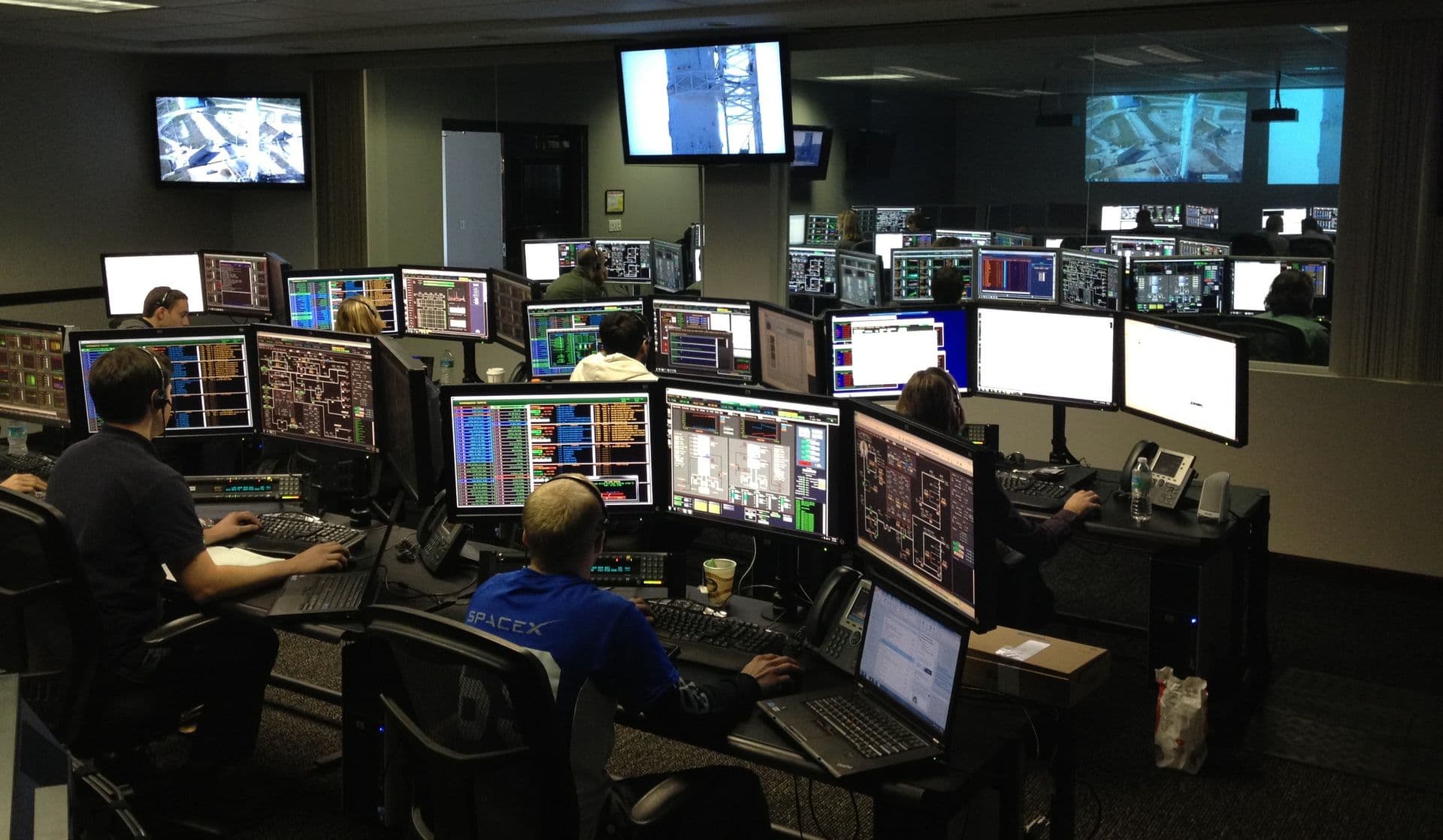

Environments with legacy equipment or systems tied to direct patient care get different treatment during the assessment.
We separate administrative systems from clinical ones or those tied to medical equipment before deciding on the approach.
Legacy systems or those connected to critical equipment receive less invasive testing at times agreed with the hospital's technical team.
We avoid actions that could interrupt services in use by patients or staff during care hours.
Findings are organized around their impact on patient data and continuity of care.

The delivery balances technical rigor with the context of an environment that cannot stop.
A record that clinical and records systems were assessed under controlled conditions.
Recommendations account for equipment dependencies and safe maintenance windows.
Findings affecting patient data or clinical systems stand out in the prioritization.
If your question isn't here, talk to the team directly.
Ask on WhatsAppExecution is planned to avoid that: clinical systems or those tied to critical equipment receive less invasive testing, times agreed with the technical team and, when needed, validation only in a staging environment.
Yes, with extra care. We prioritize non-invasive reconnaissance and controlled validation, avoiding actions that could compromise the availability of sensitive equipment.
No. This engagement focuses on the clinical environment. For technical evidence of data protection compliance we have dedicated content on that topic.
Evidence is handled to demonstrate the risk while minimizing exposure of clinical data, with specific handling rules set in the proposal and the confidentiality agreement.
Tell us the clinical systems involved, the relevant integrations and any operating-hours restrictions.
Ready to assess your company's risk?